Croatia Weather By Season
When choosing the best time to visit Croatia, it’s important to consider not only the weather but also whether it’s a busy time. Let’s explore the best season to visit Croatia.
Spring in Croatia
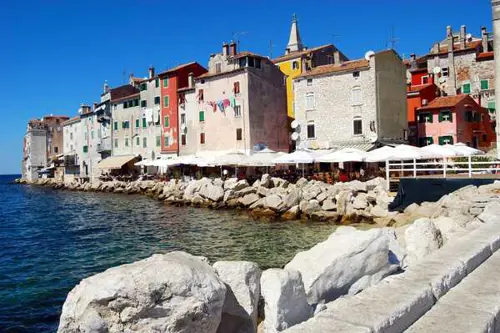
Spring is a lovely time to visit Croatia, especially from April onwards. By May, the weather is pleasantly warm in much of the country, making it a great season for sightseeing, hiking and exploring Croatia’s national parks.
It’s also a good time to enjoy the coast before the height of summer. Evenings can still feel cool, so it’s worth packing a light jacket.
If you’d like to explore more of the country in comfort, our Croatia Uncovered tour is a great option in spring.
Top tips for spring in Croatia
Spring offers pleasant conditions for discovering Croatia’s coastline and cultural sights.
Visit Krka or Plitvice Lakes national parks before summer temperatures climb.
Enjoy quieter coastal towns and early-season sailing conditions.
Region | March | April | May |
North – Pula, Rijeka, Zagreb | 11°C (52°F) | 17°C (63°F) | 21°C (70°F) |
Central – Split, Zadar, Hvar | 12°C (54°F) | 17°C (63°F) | 21°C (70°F) |
South – Dubrovnik | 12°C (54°F) | 16°C (61°F) | 21°C (70°F) |
Summer in Croatia
![]()
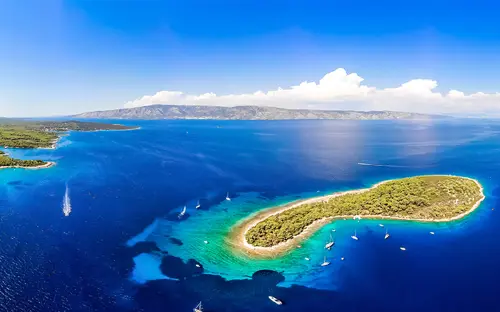
Summer is peak season in Croatia and the best time for classic Adriatic holidays. July and August are the hottest months, with long sunny days, warm sea temperatures and busy beaches, restaurants and islands.
This is the best time to visit Croatia if your ideal holiday includes swimming, boat trips, island hopping and lazy days by the coast. June is especially appealing because it offers warm weather before the busiest weeks of high summer.
Our Croatian Island Hopping tour is a fantastic way to experience Croatia in the summer.
Top tips for summer in Croatia
June is one of the best times to go to Croatia for sunshine without peak-season crowds.
Visit islands such as Hvar, Korčula and Brač for beaches, boat trips and beautiful views.
Balance coastal time with inland visits, where national parks can offer a different side of the country.
Enjoy local music as performers of all types take to stages large and small across the country during the summer months.
Region | June | July | August |
North – Pula, Rijeka, Zagreb | 24°C (75°F) | 26°C (79°F) | 27°C (81°F) |
Central – Split, Zadar, Hvar | 25°C (77°F) | 28°C (82°F) | 28°C (82°F) |
South – Dubrovnik | 25°C (77°F) | 28°C (82°F) | 28°C (82°F) |
Autumn in Croatia
![]()
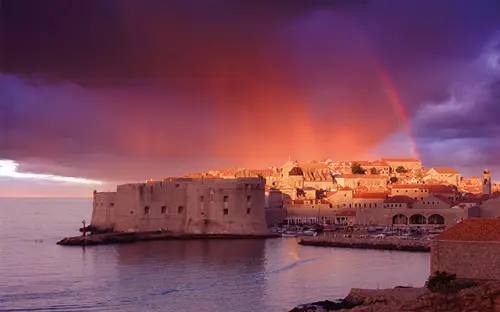
Autumn is one of the most rewarding times to visit Croatia, especially in September, when much of the country remains warm and sunny but feels less crowded than in July and August. For many travellers, this is the best month to visit Croatia.
You’ll find that as autumn goes on, it gets cooler, with fascinating changes in the natural environment. Foliage will be changing colour in the national parks, and outdoor activities may be more enjoyable in the cooler weather. It can be the perfect time for exploring historic sites.
If you want to spend time in Dubrovnik without the height-of-summer crowds, autumn is a very smart choice. You could even combine it with our Dubrovnik and island-hopping tour.
Top tips for autumn in Croatia
Autumn is a great time to visit Dubrovnik, as you can explore the city without the crowds.
This is a great time of year to take in the country’s natural beauty.
Look out for the autumn harvest season in Croatia’s wine regions.
Enjoy seasonal specialities such as truffles and chestnuts, and explore Croatia’s food and drink scene.
Region | September | October | November |
North – Pula, Rijeka, Zagreb | 22°C (72°F) | 16°C (61°F) | 9°C (48°F) |
Central – Split, Zadar, Hvar | 25°C (77°F) | 19°C (66°F) | 15°C (59°F) |
South - Dubrovnik | 24°C (75°F) | 19°C (66°F) | 13°C (55°F) |
Winter in Croatia
![]()
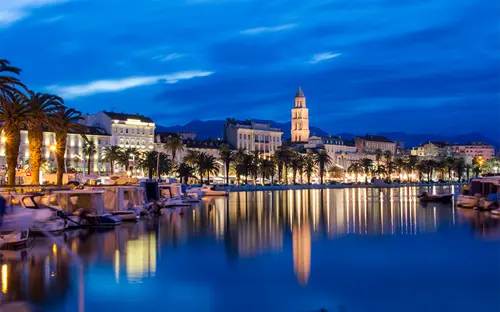
Although we don’t visit Croatia in its winter months, we would be remiss not to mention the stunning beauty you can find on the coast or inland when you visit Croatia during this time. These cooler months can bring snow to inland areas, while on the Adriatic coast, it can still be mild enough for sightseeing trips.
Winter is usually the quietest time to visit Croatia, as temperatures drop, but Croatia is also lively around the festive period with homes full of lights, decorated trees and deliciously warming mulled wine.
Top tips for winter in Croatia
Browse Advent celebrations and Christmas markets.
Sample seasonal treats such as gingerbread cookies and vanilla pastries.
In Dubrovnik, look out for celebrations held in honour of Saint Blaise, the city’s patron saint.
Head inland if you’d like to experience a colder, more wintry side of Croatia.
Region | December | January | February |
North – Pula, Rijeka, Zagreb | 4°C (39°F) | 3°C (37°F) | 6°C (43°F) |
Central – Split, Zadar, Hvar | 10°C (50°F) | 8°C (46°F) | 10°C (50°F) |
South – Dubrovnik | 8°C (46°F) | 7°C (45°F) | 9°C (48°F) |
Croatia Weather by Month
If you’re searching for the weather in Croatia by month, here’s a practical guide to what to expect.
Croatia in January
January is one of the coldest months in Croatia. Inland cities are chilly, while coastal areas such as Dubrovnik and Split are milder. It’s a good time for quiet sightseeing, but not beach weather.
Croatia in February
Croatia in February is still cool, with quieter towns and cities, and milder conditions along parts of the coast.
Croatia in March
March marks the start of spring, and the tourist season begins to take off. The weather can still be changeable, but Croatia is beginning to feel greener and quieter, and outdoor sightseeing becomes more appealing.
Croatia in April
April is a lovely month for sightseeing and early-season travel. Temperatures are milder, spring flowers are in bloom, and attractions are generally less busy than in summer.
Croatia in May
For many travellers, May is one of the best times to visit Croatia. The weather is warm, national parks look fantastic, and coastal towns are lively without feeling overcrowded.
Croatia in June
Croatia in June is ideal if you want summer weather without the peak-season intensity of July and August. It’s one of the best months for beaches, island hopping, hiking and sightseeing.
Croatia in July
Croatia in July is hot, sunny and busy. This is prime time for beaches, boat trips and coastal holidays, but you should expect the biggest crowds.
Croatia in August
Croatia in August is very warm and lively, especially on the islands and along the Adriatic coast. It’s great for classic summer holidays, though popular destinations can be crowded.
Croatia in September
Croatia in September is one of the best choices. The sea is still warm, the weather is often excellent, and the atmosphere is more relaxed than in peak summer. If you’re asking whether Croatia is hot in September, the answer is often yes, especially in the south.
Croatia in October
October can still be pleasantly warm, particularly in the south around Dubrovnik, and is an excellent time for sightseeing, seasonal food and wine, and a more relaxed coastal break.
Croatia in November
November is cooler and quieter, but still suitable for cultural trips and exploring towns and cities without summer crowds.
Croatia in December
If you’re looking up the temperature in Croatia in December, expect cool conditions overall, with milder weather on the coast than inland. December is better for city breaks rather than beach holidays.




