Türkiye and Greece - The Royal Geographical Society Collection


The Society’s archives comprise over 2,000 items specifically relating to the historical geography of Indonesia, dating from the 17th century to the present day. Highlights include Dutch Portolan charts thought to date from the 1670s by the cartographer J. W. Blaeu and drawings and watercolour paintings by Lucy Evelyn Cheesman, an entomologist and first female curator at London Zoo, who made eight solo expeditions to Pacific islands between 1924 and 1952, visiting the island of New Guinea in the 1930s.

In the footsteps: Gerald Vere de Gaury   | In the footsteps: Johann Ludwig Heinrich Julius Schliemann | In the footsteps: Elizabeth Wilhelmina Ness

In the footsteps of: Gerald Vere de Gaury

Gerald Simpson Hillairet Rutland Vere de Gaury was born on the 1st April 1897. He was a British military officer, Arabist, explorer, historian and diplomat who spent a great amount of time in Saudi Arabia with Ibn Saud, the founder and first monarch of Saudi Arabia. He was also great friends with Freya Stark and Lesley Blanch.

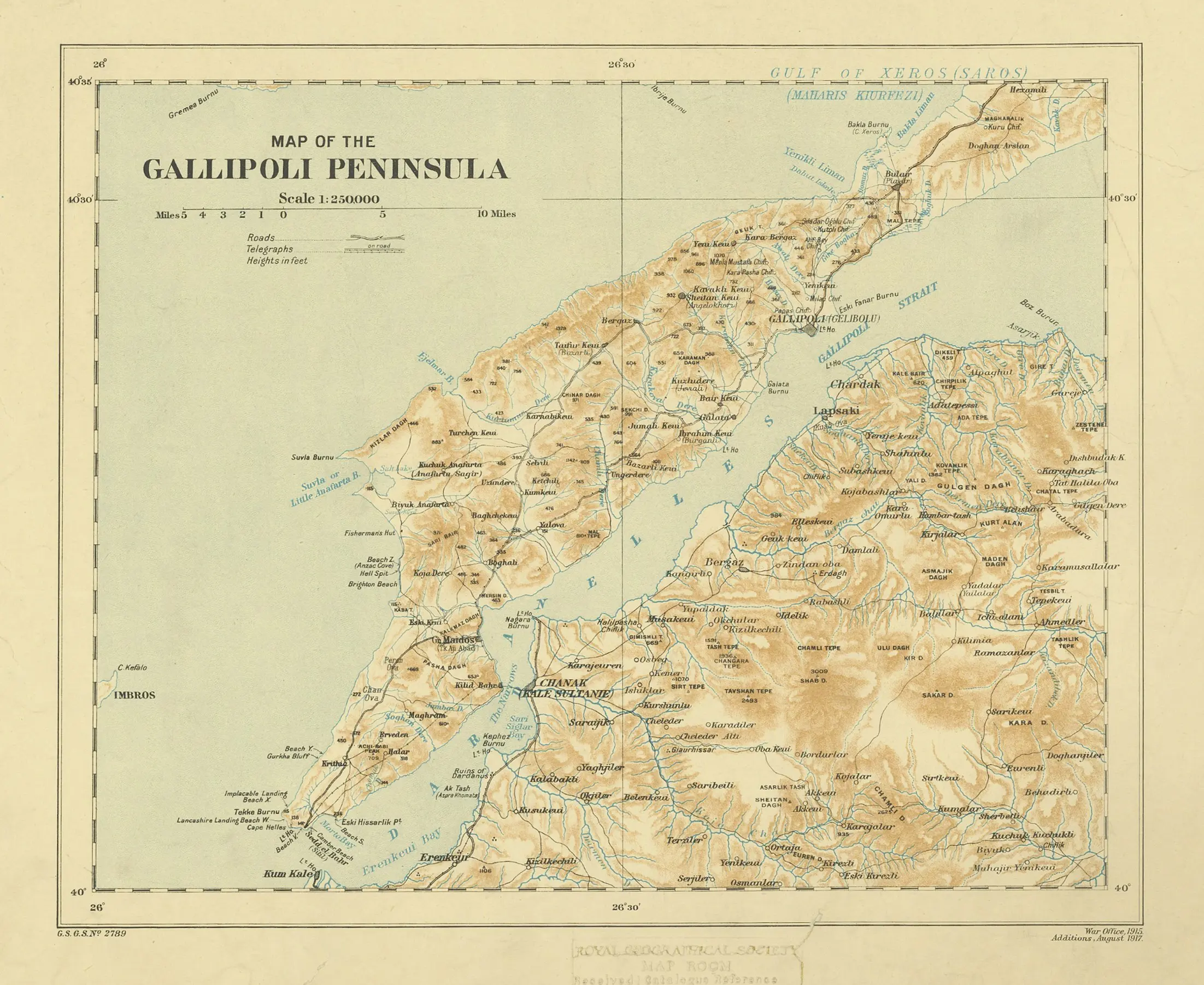
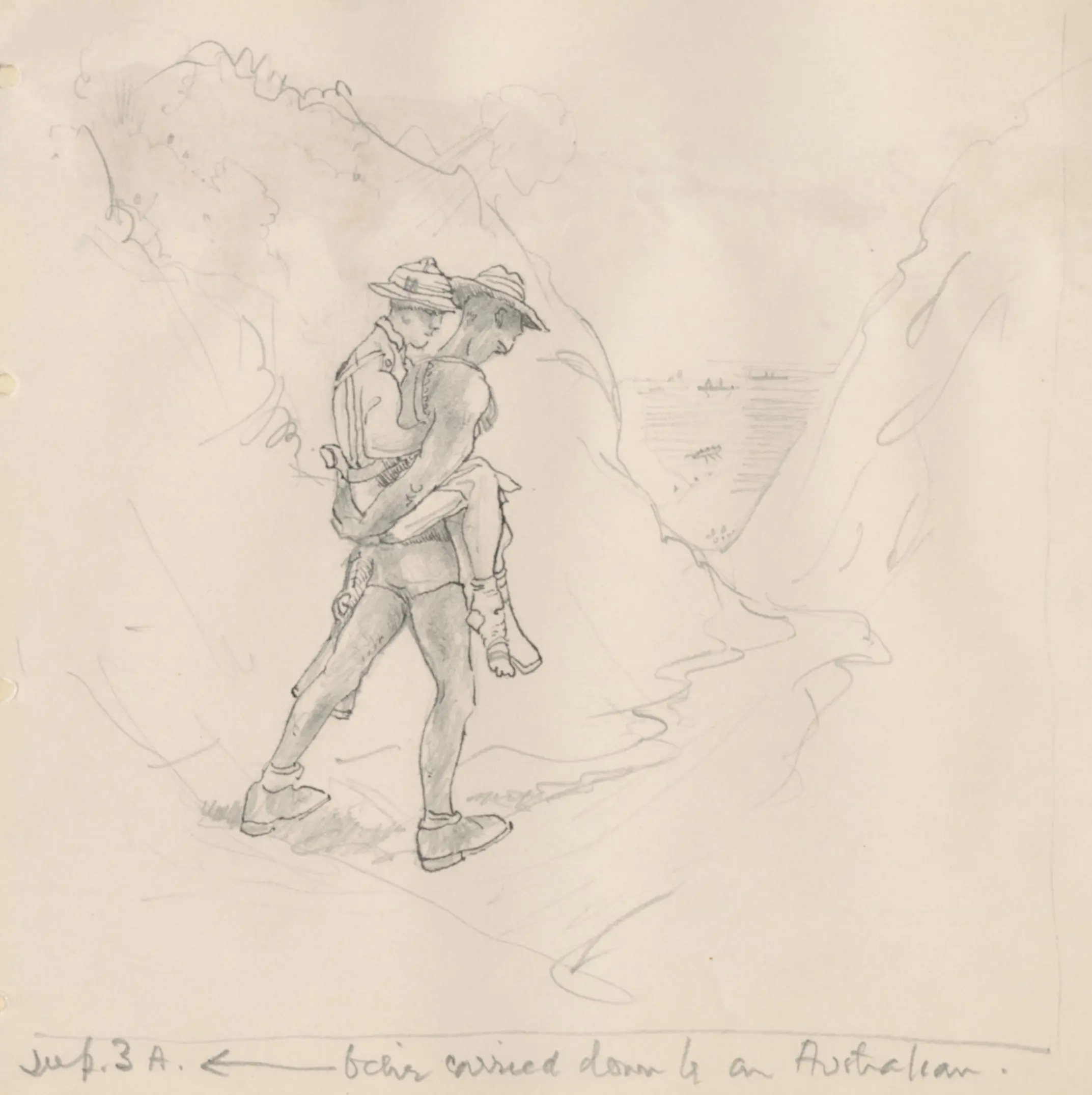
De Gaury served in the Hampshire Regiment in the First World War, where he fought at Gallipoli and the Somme, and was wounded on several occasions. In 1917 he was awarded the Military Cross,

De Gaury was also an excellent photographer and a skilled artist. The Society holds many fine examples of his work in its Collections.

In the footsteps of: Johann Ludwig Heinrich Julius Schliemann

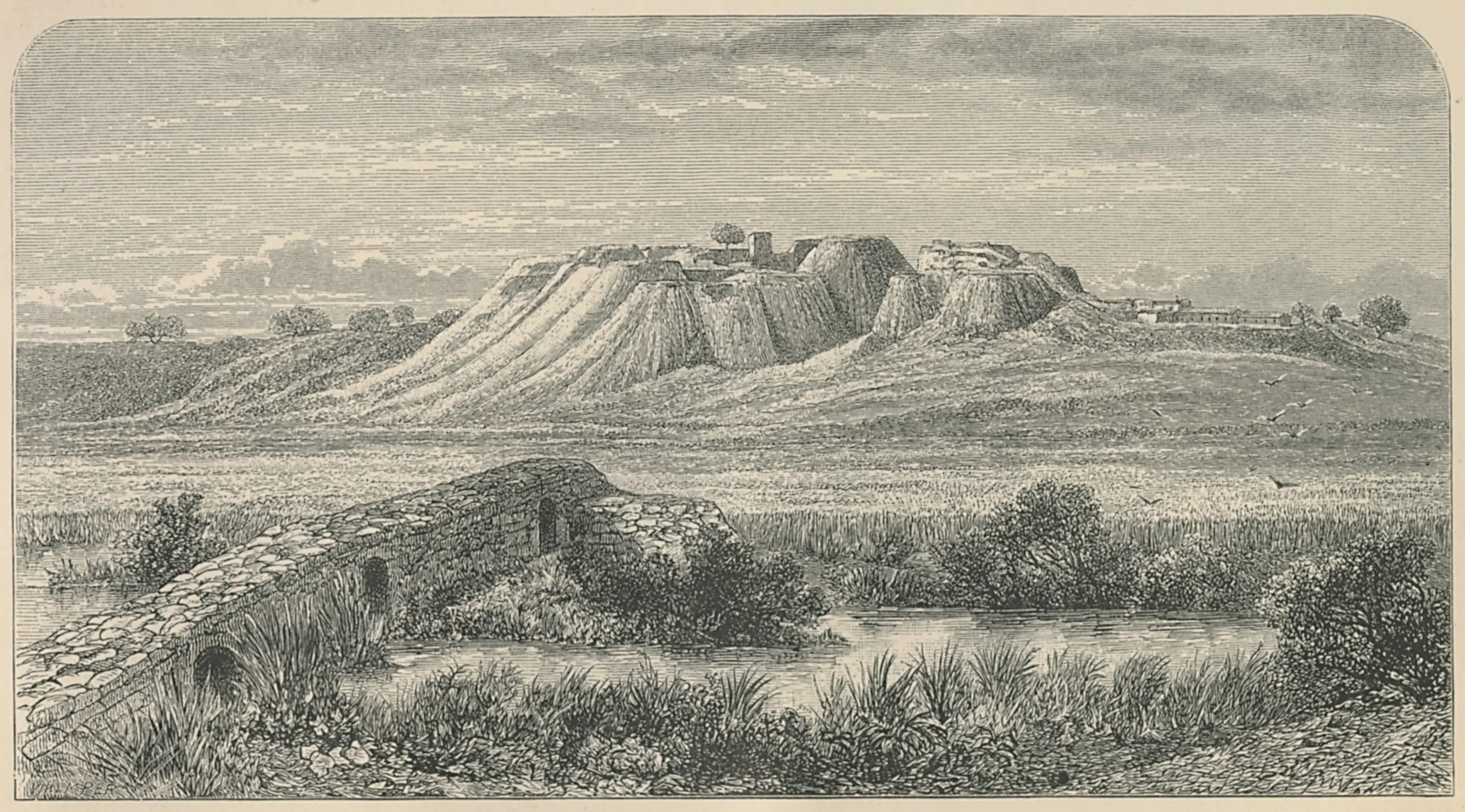
Johann Ludwig Heinrich Julius Schliemann was born on the 6th January 1822. He was a German businessman and an influential archaeologist who advocated that the Iliad of Homer reflected actual historical events. To this end he extensively excavated Troy, Mycenae and Tiryns.

Schliemann excavated nine layers of archaeological remains at the ancient site of Troy; an act that has been criticized as destructive of significant historical artefacts, including the layer that is believed to be that of Homeric Troy.

Many have disagreed with his methods over time, but Schliemann was responsible for the discovery of a huge volume of ancient artefacts and fuelled a generation of interest in archaeology and a desire to learn more of the heritage of this globally important part of the world.

In the footsteps of: Elizabeth Wilhelmina Ness

Elizabeth Wilhelmina Ness, also known as Mrs Patrick Ness (1881–1962), was an English traveller. She was one of the first female Fellows of the Royal Geographical Society, and the first woman to be elected to the RGS Council.

Ness’s husband died suddenly at sea on 19th April 1914, leaving her an independently wealthy widow. She then dedicated her life to travel. Between 1908 and 1913 she travelled extensively in Central Africa, including the Mount Kenya Region, and in 1923 she undertook a journey from Beirut across the Syrian desert to Isfahan in Persia. Ness described her travels in ‘Ten thousand miles in two continents’, published in 1929.

Ness also travelled through Greece and the wider Mediterranean, photographing the sites and people she encountered. She visited Athens and also Mycenae and Tiryns, both sites popularized by Dr Heinrich Schliemann.

In 1953 she endowed the Ness Award to the Royal Geographical Society to highlight travellers, particularly those who have successfully popularised geography and the wider understanding of our world and its environments. Past award winners have included Michael Palin, Nick Danziger, Ray Mears, Rory Steward and Lemn Sissay.


The Partnership Tours

All historical images (photos, artwork, maps) ©RGS-IBG