In the footsteps: Henry Walters Bates
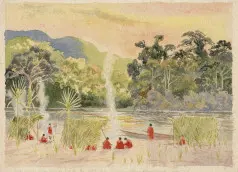
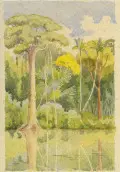
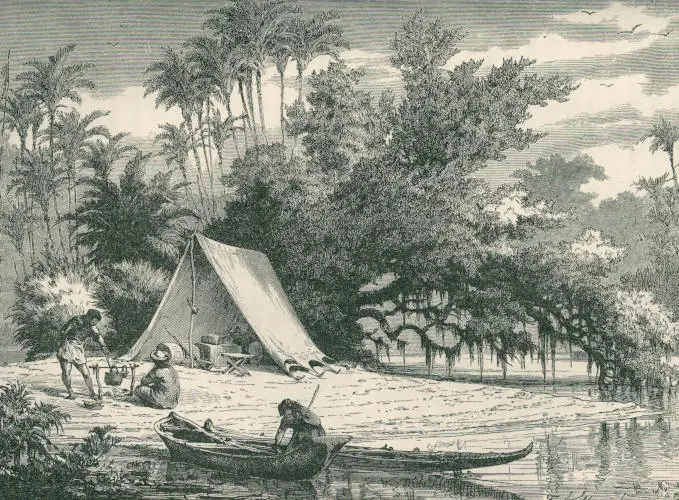
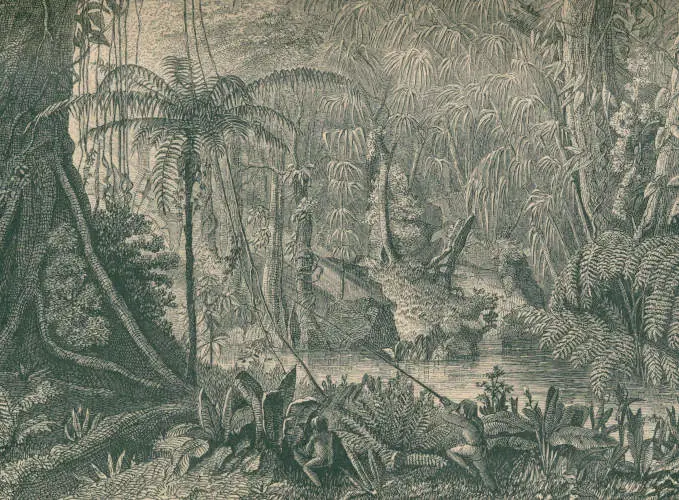
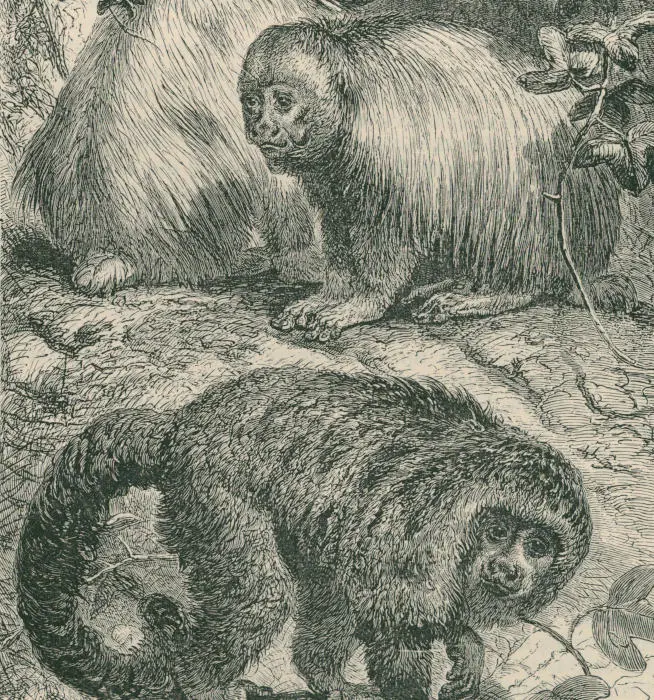
Henry Walter Bates was a keen entomologist, publishing his first scientific paper at the age of 18. In 1848 he began a joint expedition with Alfred Russel Wallace to the Amazon basin with the aim of collecting natural history specimens. After four years, Wallace left to explore the Malay Archipelago but Bates remained in the Amazon for a total of 11 years, covering more than 2,900km (1,800 miles) and collecting over 14,000 species, 8,000 of which were new to science.
On return from the Amazon, Bates began sorting his vast specimen collections and embarked on a major series of articles on Amazonia’s insect life, with particular attention to butterflies and beetles. The most important of these was the ‘Contributions to an Insect Fauna of the Amazon Valley. Lepidoptera: heliconidae’ which included his ideas on the geographical analysis of species distribution and his theories on insect mimicry. His theory, suggesting that insects mimic the colours and markings of other harmful or toxic, inedible insects to avoid being eaten by predators, was later named ‘Batesian mimicry’ and is recognised as an important contribution to the evolution of Darwinian ideas. In 1863, encouraged by Charles Darwin, Bates published an account of his expedition, titled ‘The Naturalist on the River Amazons’ (1863).