In the footsteps of: T.E Lawrence
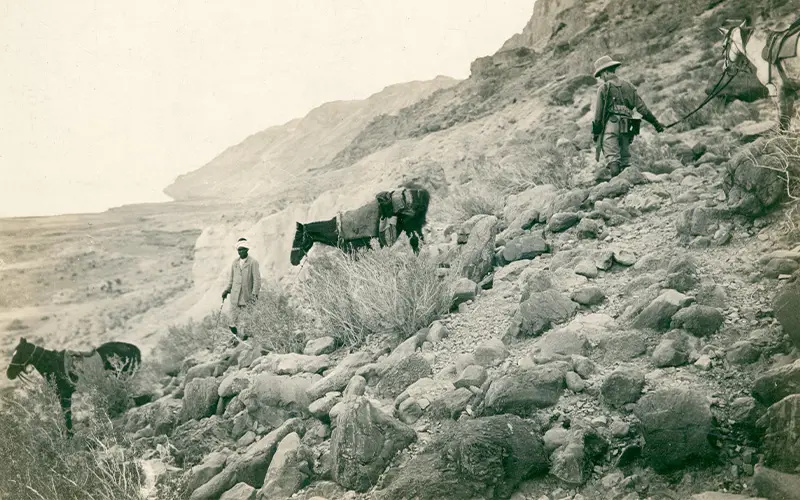
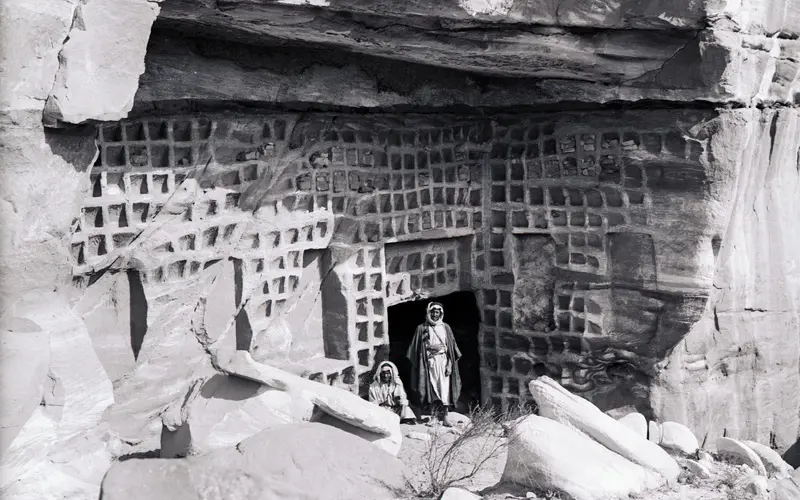
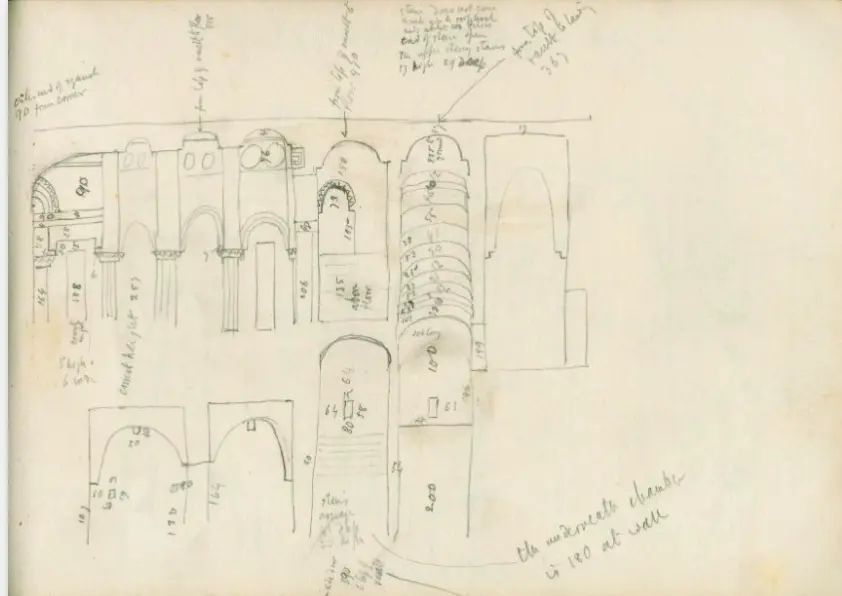
Born in North Wales in 1888, Thomas Edward Lawrence, later known as ‘Lawrence of Arabia’, was an archaeologist, military strategist and British intelligence officer and is best known for his role in the Middle East during the First World War. He attended Jesus College, Oxford where he obtained a first-class degree in history and was awarded a travelling fellowship, joining the British Museum expedition to excavate the Hittite city of Carchemish. In early 1914 he joined an archaeological survey of the Negev and country south of Beersheba for the Palestine Exploration Fund.
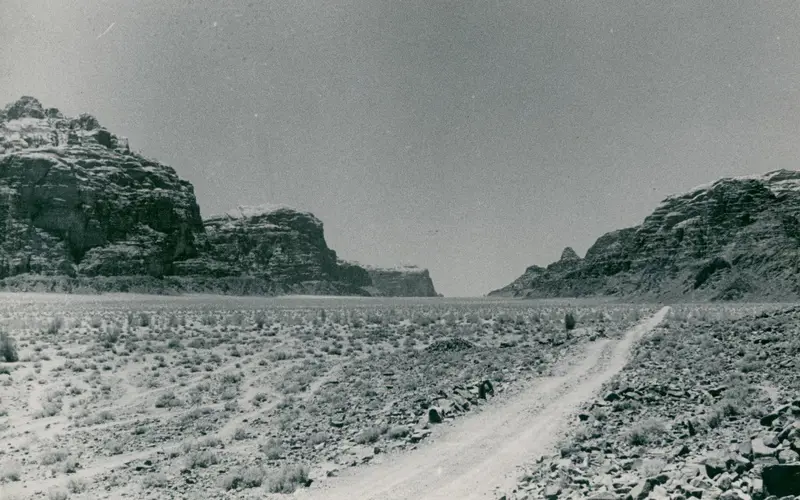
On the outbreak of the First World War, Lawrence became an intelligence officer in Egypt, spending two years in what was later called the Arab Bureau. He was posted to Hejaz to work with the Hashemite forces towards an uprising against the ruling Ottoman Empire. He joined Faisal, the son of the revolt’s leader, Hussein bin Ali, Grand Sharif of Mecca, as liaison officer and advisor. With Lawrence’s influence and the wider British military strategy, the Arab forces won their first major victory in June 1917, seizing the Red Sea port of Aqaba. They continued to successfully forge northwards, taking Damascus in 1918. Lawrence hoped their success would result in the foundation of an independent Arab state after the First World War, however, the British and French governments had already settled on the Sykes-Picot Agreement of May 1916, which divided up the Turkish-held Arab territories into French and British administered areas.