In the footsteps of: Alfred Russel Wallace
Alfred Russel Wallace was a British naturalist and a contemporary of Charles Darwin and is best remembered for being the co-discoverer of the theory of natural selection.
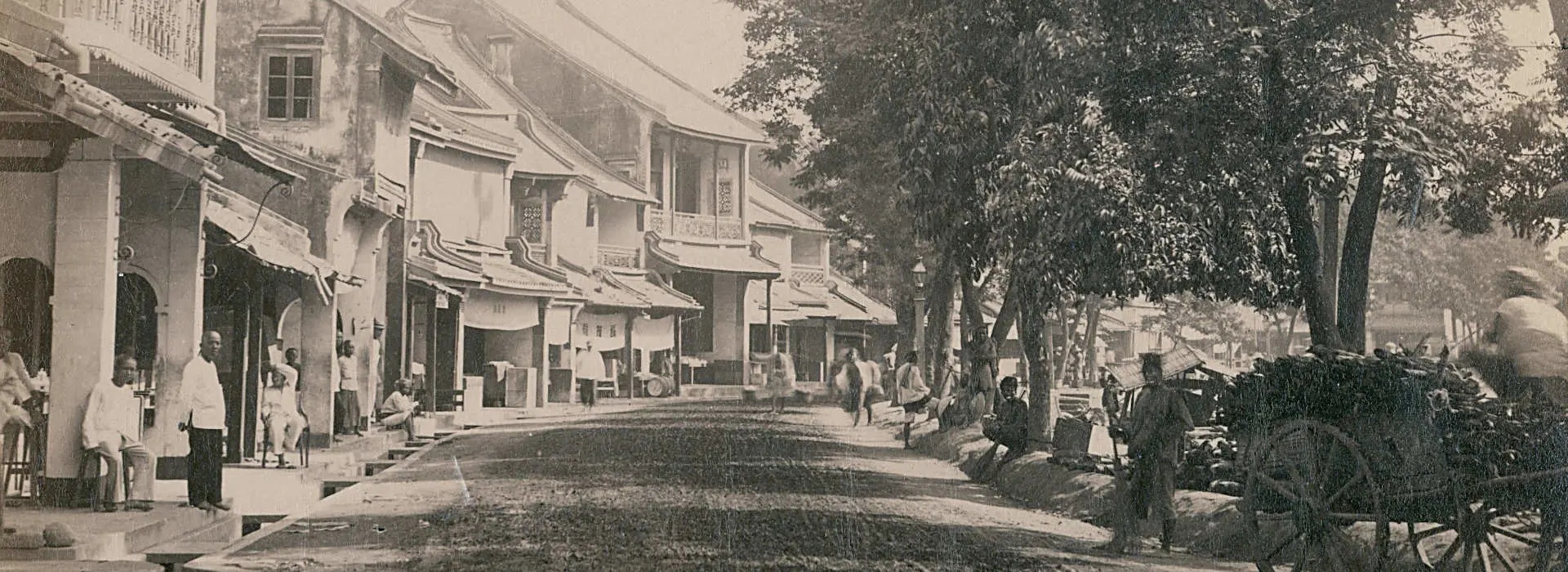
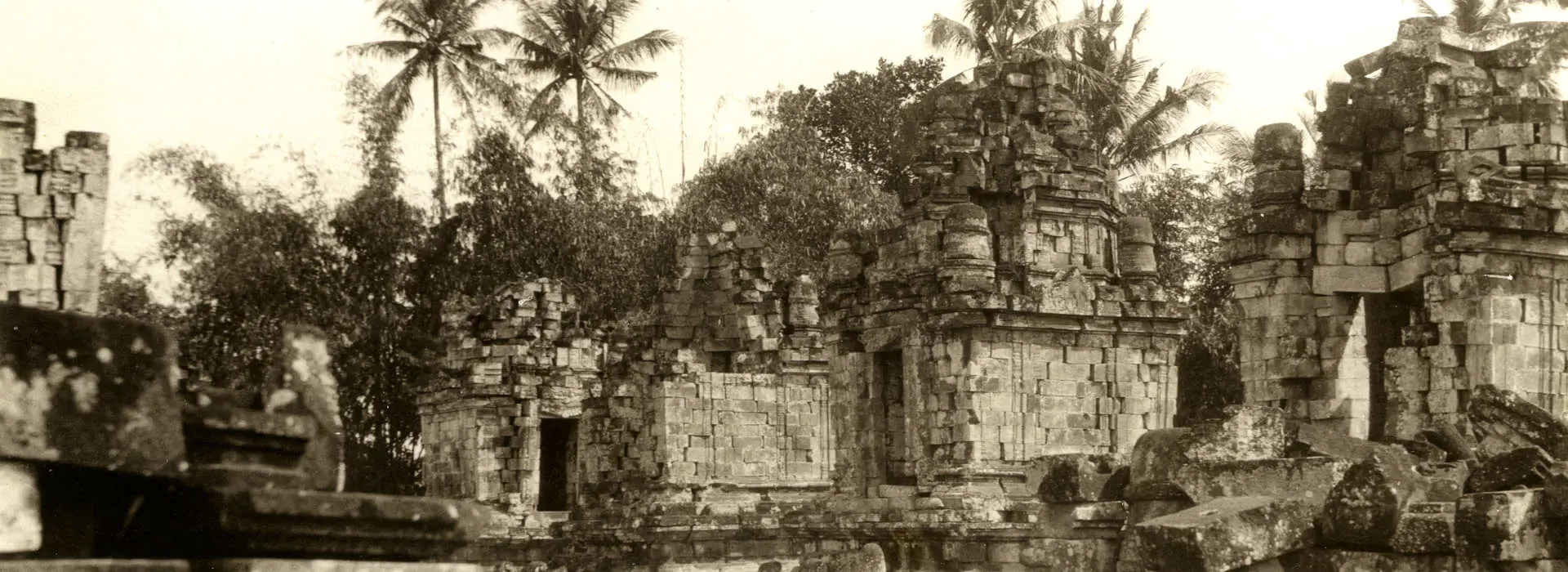
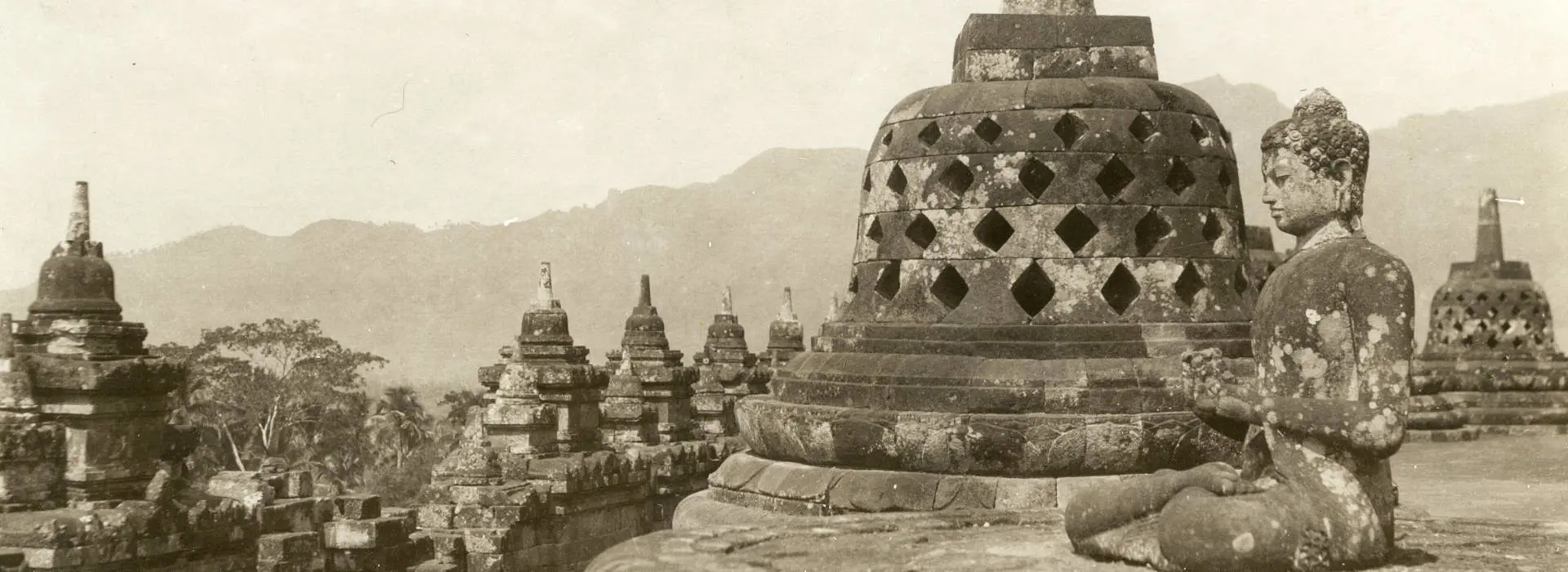
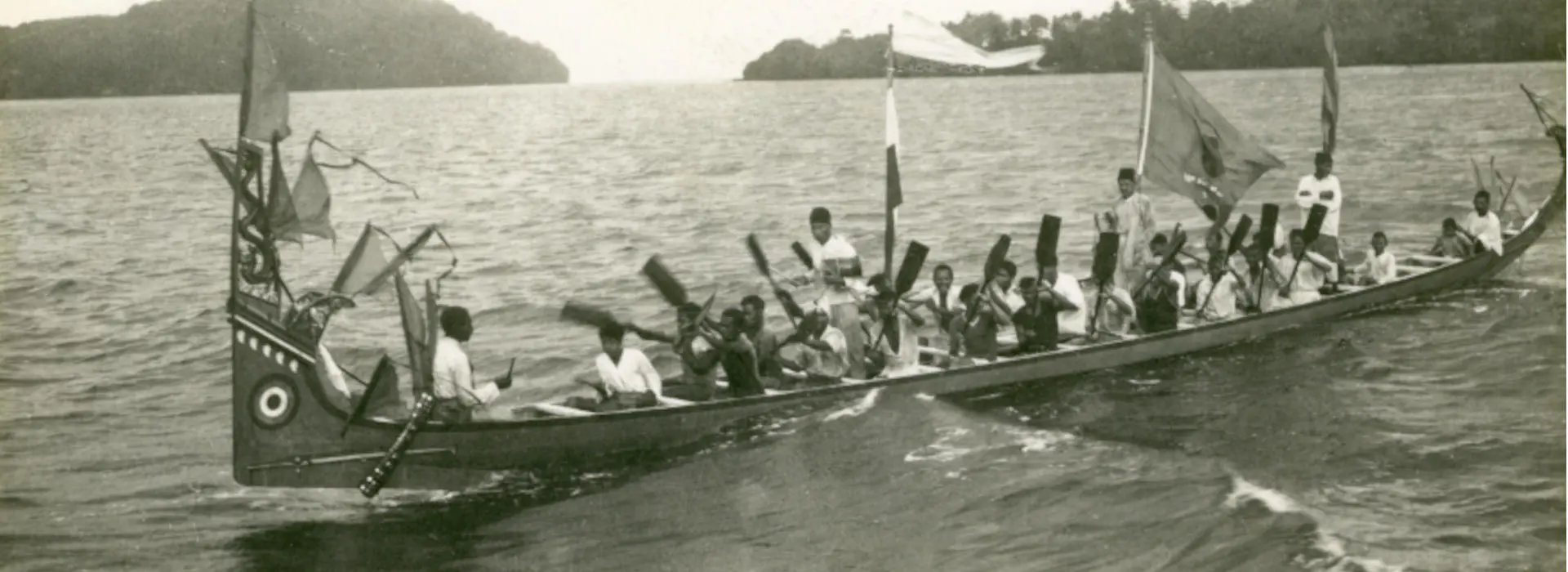
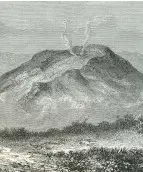
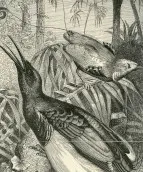
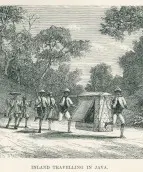
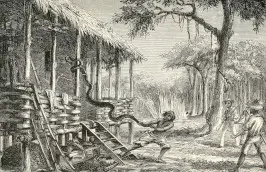
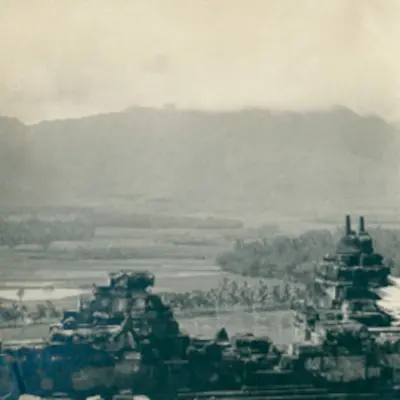
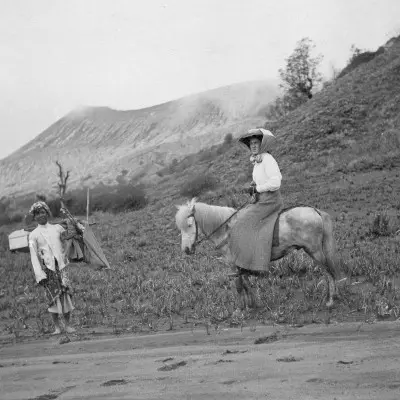
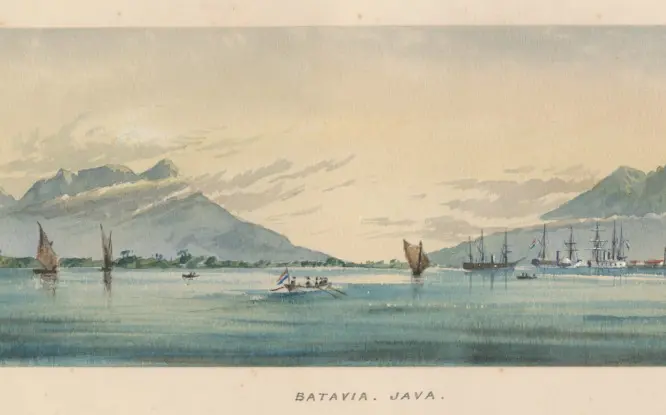
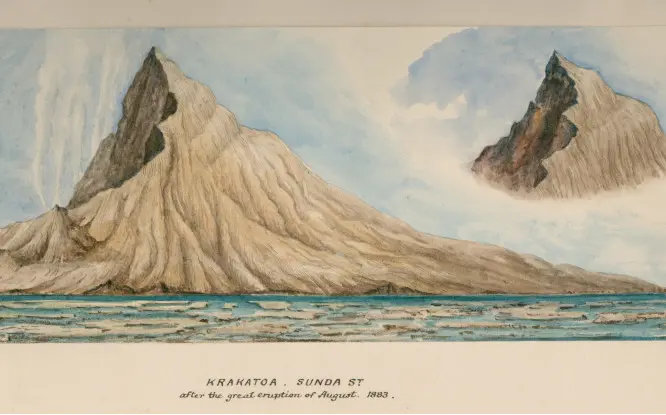
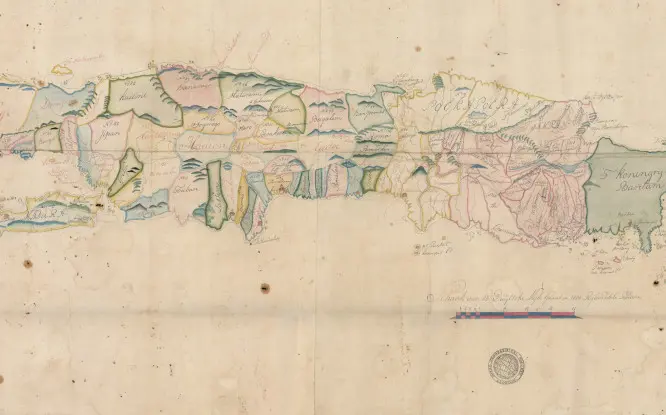
In 1854, Wallace embarked on an expedition to ‘The Malay Archipelago; the Land of the Orang-utan and the Bird of Paradise’ (the islands of Indonesia, East Malaysia, New Guinea and Brunei). He travelled 14,000 miles around the archipelago and is said to have visited every ‘important’ island at least once. He is believed to have collected in the region of 126,500 natural history specimens, including more than 200 new species of birds and over 1,000 new insect species. On his return he wrote, The Malay Archipelago; The Land of the Orang-utan and the Bird of Paradise which is one of the most celebrated books of the region.
During his travels in the archipelago, he formulated a theory of evolution through natural selection and in 1858 sent a paper outlining his theory to Charles Darwin, who had been working on the same theory for the past twenty years. The ideas of both Darwin and Wallace were presented later that year at the Linnean Society. This spurred Darwin in to writing his famous publication on the theory of evolution, ‘On the Origin of Species’, which was published a year later. Despite his visionary work, Wallace was often overshadowed by the greater fame of his contemporary.