Why Are Bordeaux Wines So Prized?
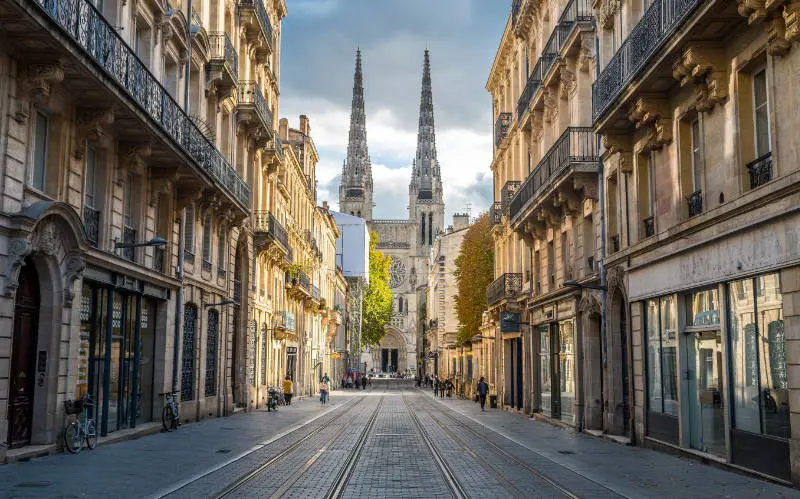
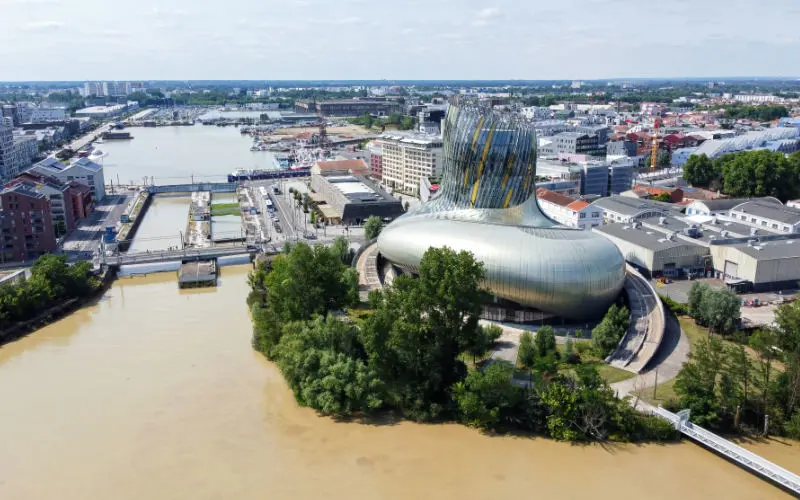
Bordeaux is located in southwest France. The city lies on a broad bend of the Garonne River, close to the Gironde estuary and an hour or so from the Atlantic coast. For centuries, Bordeaux has been a trading hub – its prosperity shaped by maritime commerce and the global demand for its wines.
It’s the historic hub of the Bordeaux wine region, which fans out along the left and right banks of the Garonne and Dordogne rivers. The area produces some of the most famous and expensive red wines in the world, with certain bottles from prestigious estates, such as Pétrus, Lafite Rothschild, and Cheval Blanc, selling for thousands or even hundreds of thousands of pounds at auction.
A combination of the perfect terroir (weather and soil conditions), centuries of blending expertise, and rigorous classifications produces consistent, complex wine blends with exceptional ageing potential.
Red Bordeaux falls into two main styles based on where it’s made. The Left Bank of the Garonne River, which encompasses areas such as Médoc and Graves, is renowned for its Cabernet Sauvignon-dominant blends. These wines are structured, tannic and ideal for ageing. On the Right Bank – which is home to Saint-Émilion and Pomerol – Merlot takes the lead, giving softer, fruitier wines that are often ready to drink sooner.
But don’t think you have to be a millionaire to enjoy Bordeaux wine.
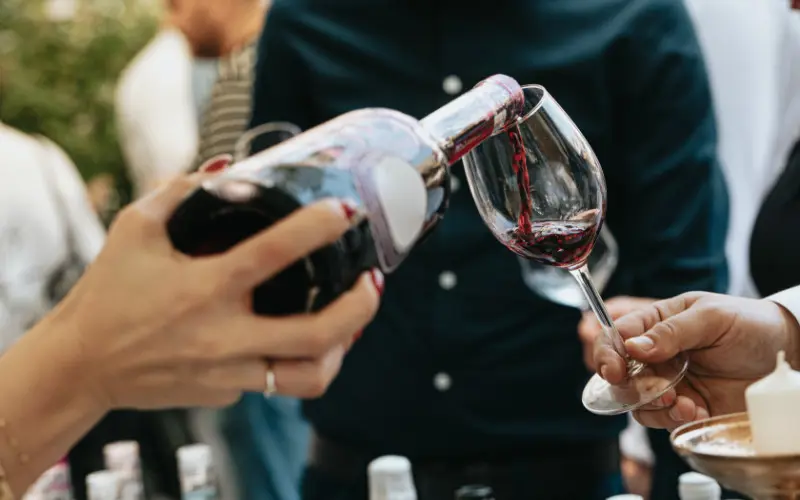
If you’re visiting Bordeaux, good value is easy to find. Ask for by-the-glass options or a tasting flight at wine bars (especially around Chartrons and the old town), browse local wine shops for Bordeaux Supérieur, Côtes de Bordeaux, or Entre-Deux-Mers, and check market stalls for well-priced bottles. House pours at bistros are often local and fairly priced, and staff are usually happy to recommend a great everyday red or a crisp dry white that won’t stretch the budget.