Everything You Need To Know Before You Cruise Svalbard, Norway

18th March 2026

Quick read…

  • The best place to see polar bears is Svalbard, Norway, which sees the highest polar bear densities along the marginal ice zone.

  • To get to Svalbard, fly via Oslo to Longyearbyen, then embark on a small expedition ship navigating fjords and pack-ice edges.

  • The best time to visit Svalbard is from late June to August, as it offers the most flexible routes and the longest daylight hours.

  • Book an Arctic cruise and observe majestic polar bears from a safe distance.

  • Remember, the chance of sightings here is excellent but never guaranteed. You may also spot walrus, seals, foxes, reindeer, puffins and whales.

  • Read our guide below to learn more about where to see polar bears in the wild.

If you’ve ever wondered what it’s like to step into the high Arctic, where glaciers grind slowly into glassy fjords, and wildlife roams the ice, from powerful polar bears to wheeling seabirds, Svalbard is the place. This Norwegian archipelago, situated between mainland Norway and the North Pole, still feels like a true frontier: a protected wilderness offering enough comfort, culture, and warm hospitality to make the adventure both relaxing and exciting.

Our guide covers what you need to know about expedition cruises around Spitsbergen and short stays in Longyearbyen, outlining what to expect in terms of seasons, wildlife, logistics, and safety. That way, you’ll arrive prepared, enthusiastic, and ready to savour every blue-ice moment.

Where is Svalbard?

Svalbard is a high Arctic Norwegian archipelago in the Barents Sea, situated roughly halfway between mainland Norway and the North Pole.

The largest island is Spitsbergen, home to the main settlement, Longyearbyen. This compact town is your gateway to the wilderness. It offers a friendly base, featuring hotels, museums, and excellent Scandinavian cuisine, along with flights connecting you to Oslo.

Most travellers spend a day or two exploring this frontier town’s historic sites, shops, and museums dedicated to polar exploration.

Beyond the town, it’s pure Arctic: ice, tundra, sea, and silence.

Experience the full majesty with our Arctic Explorer: Land of the Polar Bear guided tour.

Why Cruise Svalbard, Norway?

In short? There’s nowhere else that’s quite like it. You come for wild, glacier-carved landscapes, for the chance to see polar bears, for the clear Arctic light in summer, and for the thrill of expedition cruising by Zodiac among ice and wildlife.

There are also guided shore landings, offering the chance to step onto the tundra, explore historical sites, and observe the Arctic environment up close.

Explore our collection of Norway tours, including cruising the fjords.

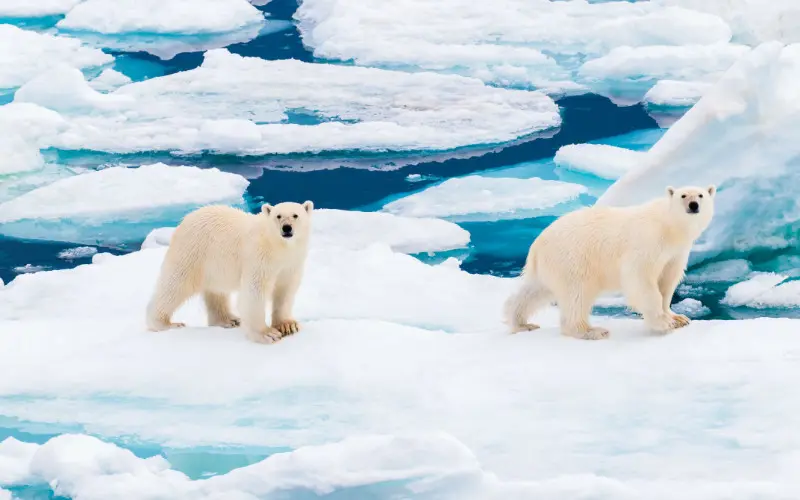
Polar bears on the ice - cruise Svalbard, Norway

Enjoy Stunning Arctic Landscapes

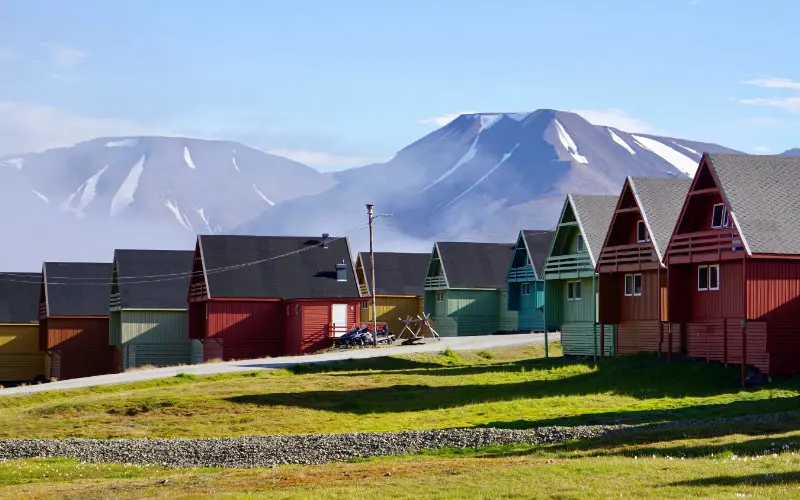
Svalbard’s scenery is as jarring as it is striking. It’s an ever-changing stretch of glaciers, rugged mountains, and frozen tundra, dotted with brightly coloured settlements that stand out against the stark landscape.

On your Arctic adventures with Travelsphere, you’ll sail into still, iceberg-dotted bays where glaciers meet the sea with a groan and a crack. As you glide through the glacier-carved fjords, expect dramatic colour shifts, from slate-grey rock to iridescent ice, that offer superb photography opportunities.

In late summer, the low tundra is a spread of soft green and russet plants, with miniature purple saxifrage and moss campion flowers poking through the gravel. You’ll marvel at the sight of the bird cliffs; sheer rock faces hosting thousands of kittiwakes, guillemots, and little auks. Visitors hear them before they see them; nature’s chorus against the sound of wind and cracking ice.

Svalbard’s strict environmental protections and expedition cruising guidelines keep human impact low. The feeling of pristine remoteness is part of the magic.

Read our guide to where to see polar bears.

Spot Amazing Wildlife

Svalbard’s wildlife is arguably the headline attraction of the destination. Sightings are never guaranteed, but the experience of watching and waiting to catch a glimpse of an amazing wild creature makes each wildlife moment feel truly special.

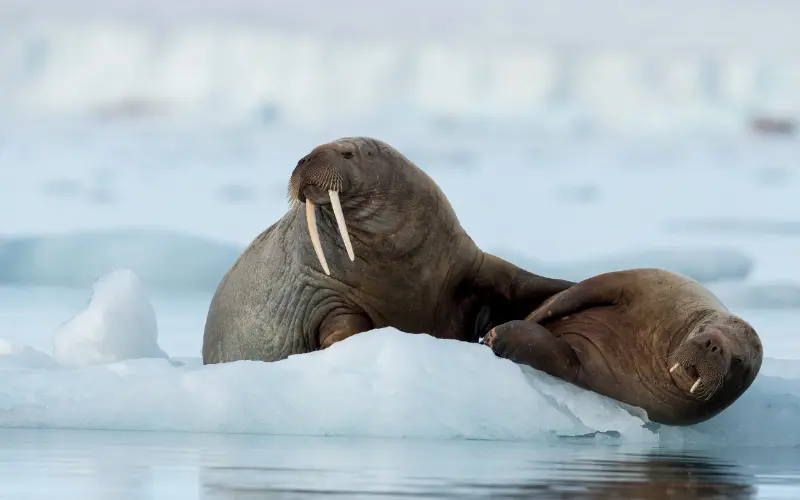
The powerful polar bear is the king of the Svalbard archipelago – these predators roam the coast. Large walruses and seals are popular locals, too. Svalbard is also home to a variety of whales that migrate through, including minke and beluga.

On land, the short-legged Svalbard reindeer may be seen grazing calmly on tundra near Longyearbyen and on shore excursions. If you are lucky, you may spot an Arctic fox, whose coats change from white to brown-grey with the seasons.

Walruses relaxing - Cruise Svalbard, Norway

Early summer is wonderfully busy on the cliffs as Puffins, Brünnich’s guillemots, little auks, kittiwakes, and ivory gulls, along with geese and skuas, patrol nesting areas.

On our Arctic tours, you’ll spend time on deck with enthusiastic specialists in ornithology, marine biology, glaciology and polar history, scanning shorelines and ice for movement. Depending on conditions, most trips aim to offer up to two off-ship experiences daily, including Zodiac cruises and guided shore landings to explore the tundra and historical sites.

On an expedition cruise, wildlife is viewed quietly, at a distance, and never pursued. If an animal changes its behaviour because of you, you’re too close.

Experience the Midnight Sun

Svalbard’s summer daylight is legendary. From late April to late August, the sun doesn’t set in Longyearbyen. In a phenomenon known as the midnight sun, July has continuous daylight, making it the ideal time for extended wildlife watching and photography.

Step out onto the ship’s deck at 1am, and you’ll find yourself surrounded by soft golden light, with long shadows stretching across the landscape – remarkable for what’s meant to be the middle of the night. While your body may lose track of time, your camera will thank you for it.

Our tip? Bring a good eye mask. Although many cabins have blackout curtains, that extra layer may help you get a good night’s sleep.

A view of Longyearbyen - cruise Svalbard, Norway

Discover the Local Culture

Despite its harsher conditions and unfriendly terrain, people have lived in Svalbard long enough to establish a culture and a way of life unfamiliar to most of us.

Longyearbyen offers adventurers a grounded introduction to human life in the high Arctic, with the Svalbard Museum displaying a thoughtful collection of artefacts related to geology, wildlife, mining, trapping, and research. In town, you might pause in the peaceful hush of Longyearbyen’s small church or unwind in a cosy café, where the scent of cinnamon buns drifts through the air.

Sustainability and human responsibility play a large part in Svalbard culture. From museums and local guides, you’ll hear about environmental monitoring and how visitors can minimise impact. This includes simple habits like daily boot-washing. This practice prevents the spread of non-native species and protects the delicate Arctic environment.

Take a Svalbard Cruise in Norway

In summer, the best way to truly explore is by a small expedition ship.

You’ll cruise through fjords and along the ice edge, scanning from the open deck with wildlife guides. When conditions allow, the team launches Zodiacs for small-boat exploration. This allows you to get close to bird cliffs or a safe, respectful distance from haul-outs and glaciers, and sometimes to make carefully supervised landings for short walks on the tundra.

Onboard our expedition ships, you’ll enjoy hearty meals, daily briefings and expert talks. Warm lounges with large windows allow you to enjoy the view while sharing stories with your fellow travellers.

When wildlife appears, the call goes out across the ship, and everyone moves to the deck with cameras and steaming mugs in hand.

What is The Best Way to See Svalbard?

For most travellers, an escorted tour paired with an expedition cruise is the best way to see Svalbard. This itinerary brings everything together with logistics sorted, expert guidance from day one, and a balance of comfort and authentic, close-to-nature experiences. You’ll fly into Longyearbyen, get your bearings in the settlement, then sail to where the wildlife and weather invite you; always flexible, always safety-first.

Travelsphere’s Arctic Explorer: Land of the Polar Bear combines time in Longyearbyen with an expedition cruise in Spitsbergen’s waters. Sailings occur in peak summer light, when wildlife is active, and conditions are favourable for Zodiac experiences and fjord cruising.

This tour is designed for travellers who appreciate cultural context, natural history, and a high standard of care; ideal if you like the security of being looked after without losing the thrill of the wild.

Svalbard Cruise, Norway – FAQs

When is the best time to visit Svalbard?

Summer is the ideal time for expedition cruising and wildlife viewing.

June, July, and August promise lower sea ice in many areas, more active bird colonies on the cliffs, and continuous daylight. Temperatures in Longyearbyen hover around 0–7°C, but expect a fresh wind on deck and colder conditions near glaciers.

July departures coincide with the height of the midnight sun, offering excellent conditions for extended deck time.

Can you see the Northern Lights in Svalbard in summer?

No. The midnight sun keeps the sky constantly bright from late April to late August, so the aurora isn’t visible.

The Northern Lights season in Svalbard runs from roughly late September through early spring, with particularly dark conditions from late October to mid-February.

What is the food like in Svalbard?

In Longyearbyen, local menus are similar to those in Norway, but have an Arctic twist – you may find Arctic char (local fish) and reindeer featured on restaurant menus, alongside cod and many other international favourites, plus excellent spice pastries.

Onboard a Travelsphere cruise, you can enjoy warming soups, fresh salads, and hearty meals designed to be enjoyed after active days out in the cold.

Will I definitely see polar bears in Svalbard?

Polar bear sightings are not guaranteed; however, being on an escorted tour with careful route planning, experienced crews, and plenty of time on deck could maximise your chances of glimpsing these impressive predators.

If you don’t spot one, there’s still an abundance of wildlife to enjoy, from walruses and seals to whales and thriving seabird colonies.

How do I see wildlife safely?

To protect both you and the wildlife during your trip, there are a few rules that visitors must follow:

  • Keep a safe distance – View from the ship or Zodiacs using binoculars and long lenses, and never approach or attempt to attract animals.

  • Follow official guidelines – Your crew will brief you on how to behave around wildlife and on shore.

  • Move quietly – Sudden noise and fast movement may disturb animals and birds.

  • Respect nesting areas and haul-outs – Landings should avoid sensitive zones entirely.

Are Svalbard cruises ethical?

Expedition cruising in Svalbard operates under strict environmental and wildlife-protection standards.

Travelsphere tours limit group sizes to ensure maximum safety. You’ll also be briefed on best practices, for example, how to avoid trampling fragile tundra plants and how to keep food secure so wildlife isn’t attracted.

How physically demanding are Zodiac landings and shore walks?

This is exploratory travel, but it’s designed to be accessible.

Getting in and out of a Zodiac involves a few steps down a gangway and a steady step into the boat, with a crew member assisting.

Landings may be “wet” (feet in shallow water) or “dry” on rock or pebbles. Shore walks are typically short to moderate in length and involve uneven ground. You choose the pace that suits you, and guides often offer graded options.

If you prefer to stay on board or in the Zodiac, that is usually an option.

What language do they speak in Svalbard?

Norwegian is Svalbard’s official language, and English is widely spoken in Longyearbyen and aboard expedition ships. Signage in museums and on board briefings is usually in English.

What’s the currency in Svalbard, and are cards widely accepted?

Svalbard’s currency is the Norwegian krone (NOK).

Cards are widely accepted in Longyearbyen, and most ships operate on a cashless basis. However, you can always bring a little cash for small purchases on land if you prefer.

Do I need a Visa?

Svalbard itself is visa-free. However, almost all travellers travel through mainland Norway to get there.

UK citizens can visit Norway visa-free for short stays (up to 90 days in any 180-day period).

Always check your passport’s validity and current entry rules before travelling.

What should I pack for a Svalbard cruise?

Layers and windproofs are everything when packing for a trip to Svalbard. Summer can feel chilly, especially when on deck or in Zodiacs.

Essential layers include moisture-wicking leggings and tops, which can be layered with fleece or lightweight down, and then waterproof windbreakers and trousers. Wool socks and sturdy, grippy shoes or boots are a good idea.

A warm hat, buff/neck gaiter, and waterproof gloves will also help keep you comfortable on your tour.

Expedition ships typically provide lifejackets for Zodiacs and often loan heavy rubber boots for landings; your Travelsphere tour details will confirm what’s included.

Other essential items could include polarised sunglasses, high SPF suncream, lip balm, spare batteries (the cold drains them quickly), and dry bags for your camera and phone.

Is there mobile signal and Wi-Fi in Svalbard and at sea?

Longyearbyen has good 4G/5G coverage and reliable Wi-Fi in hotels, cafés, and museums, but expect little to no mobile signal when at sea. Many expedition ships offer satellite Wi-Fi, which is usually sufficient for messaging and email. Treat it as a bonus rather than a guarantee, however.

What plug type and voltage does Svalbard use?

Type F (Schuko) plugs, 230V, 50Hz, which are the same as those used in mainland Norway. A European adaptor is required if your devices use UK plugs.

Let us take you there

  1. Arctic Explorer: Land of the Polar Bear

    Discover the magic of the Arctic on a tour exploring Norway’s capital, Oslo, before a six-day expedition cruise through Svalbard’s pristine wilderness in search of polar bears, glaciers and unforgettable wildlife.

    • Return flights from London
    • 3 nights in 4 star hotels, 7 nights onboard the G Adventures Expedition Ship
    • 26 meals: 10 breakfasts, 6 lunches and 10 dinners

    11 days from
    £6,599
    was £7,599